
Mad Agriculture: Building a Regenerative Revolution, One Farm at a Time
MAD! is an ecosystem of organizations working to create the regenerative revolution in agriculture. Mad Agriculture is a 501(c)(3) non-profit organization, while Mad Capital and Mad Markets are Public Benefit Corporations (PBCs) fledged from the non-profit in 2022 and 2024, respectively. We spoke to Dan Kane, Science Director at Mad Agriculture about what that looks like in practice. The name comes from Wendell Berry's Mad Farmer poems, and Dan quotes Berry directly when describing their approach, "done with apologies" for doing things differently. Below, he talks through pairing agronomists and business advisors with capital and storytellers, restoring native prairie on marginal cropland through their Wilding program, and testing a financial instrument that pays farmers for measurable ecological outcomes.
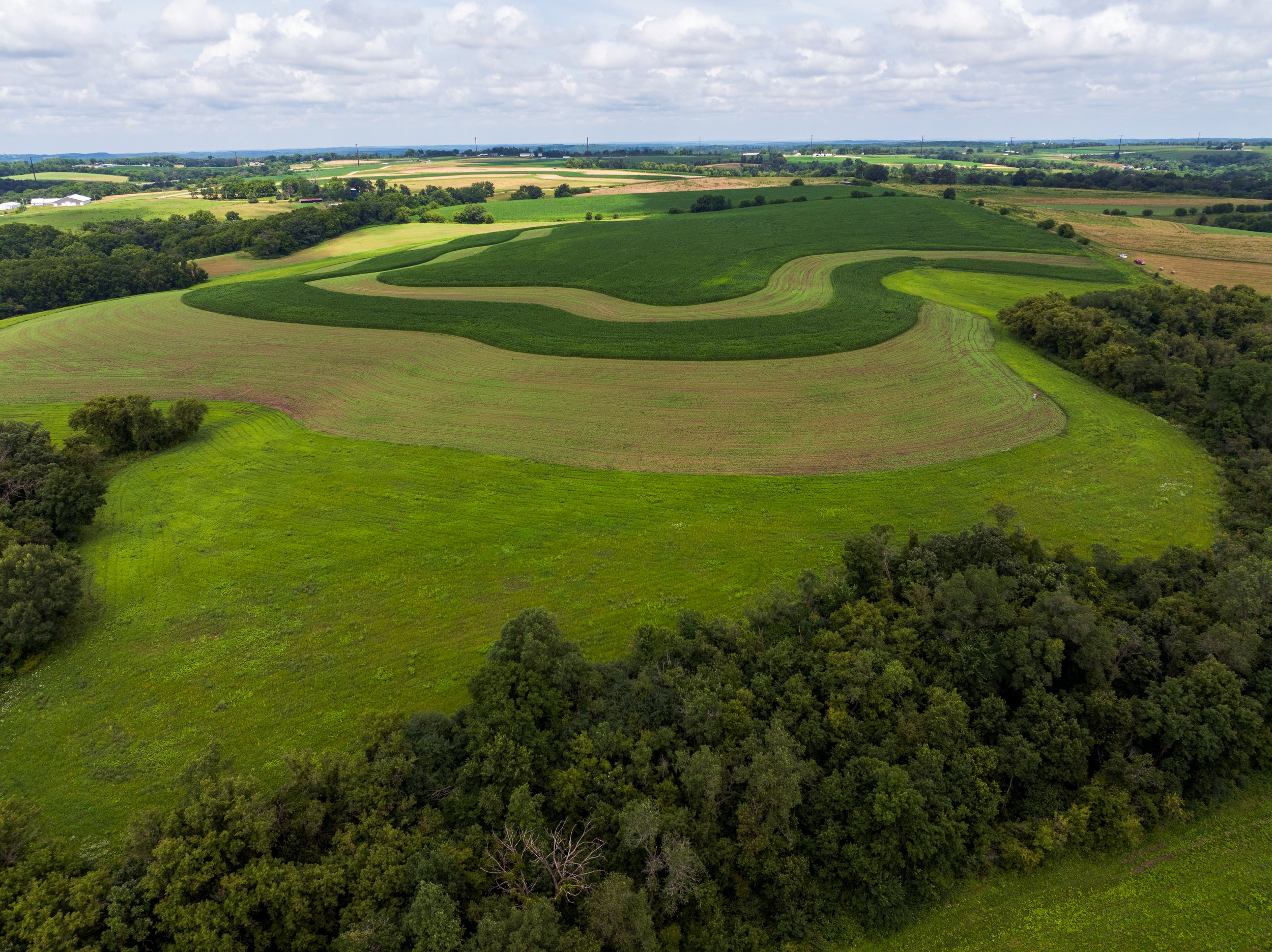
Image Credits: Mad Agriculture
About Mad Agriculture
Q. Mad Agriculture is named after Wendell Berry's Mad Farmer poems. What does that actually mean for how you work?
Mad Agriculture was born out of the necessity for a regenerative revolution in agriculture. We are inspired by the Mad Farmer poems of Wendell Berry, which call on us to rework society, agriculture and economy with love, community, place-based wisdom, ecological principles and a healthy dose of radicalism. In Wendell’s words, ‘I am done with apologies. If contrariness is my inheritance and destiny, so be it. If it is my mission to go in at exits and come out at entrances, so be it.’ From this foundation, our work has always aimed to meet farmers where they are with honesty, patience, and no apologies for doing things differently.
Q. You span lending, markets, media, and land stewardship. What's the one thread holding all of it together?
The thread is a shared belief that true agricultural transformation can't happen through any single lever. Mad Agriculture, Mad Capital, and Mad Markets are three companies with one mission: create a regenerative revolution in agriculture.
What makes our approach unique is that these forces rarely exist under one roof. We pair agronomists and business advisors with catalytic financial vehicles, and filmmakers, designers, writers, and impact strategists, because transformation requires not just technical knowledge but access to the right capital and a shift in how farming is seen and valued.
The thread is integration. A regenerative revolution needs all of it, and we're one of the few places building it that way.
The Work on the Ground
Q. What are the real barriers farmers face when transitioning to regenerative agriculture that rarely make it into the conversation?
Everyone talks about knowledge gaps and capital access, and those are real, which is why our work directly addresses technical support, access to values-aligned capital, and market access. But what we also see is that the deeper barriers are psychological and cultural. Transitioning to regenerative agriculture often means going against the grain of your entire community, your neighbors, your lenders, sometimes your own family. Farmers often know something is wrong with their current system, but they've been told for decades that the industrial model is the only viable one. Unlearning that takes more than a field day or a webinar. It takes a community of support that connects people to a broader movement of change and that's a barrier we actively try to address, and probably the least talked about.
Q. Wilding focuses on restoring native prairie habitat within working farmland. What happens, ecologically and economically, when farmers start putting land back?
Ecologically, restoring habitat brings back animal species that are otherwise absent in agricultural landscapes and reduces agricultural runoff and pollution. Economically, Wilding is focused on restoring habitat primarily on marginal cropland that is consistently sub-profitable or minimally profitable. Taking those areas out of production can save farmers cost and improve net revenue.
Q. You're developing a financial instrument that pays farmers based on measurable ecological outcomes. Where does that idea stand, and what's the hardest problem to solve?
The pilot project we’re running in SW Wisconsin is where we’re testing this instrument—learning which ecosystem service markets are tractable, who the beneficiaries are that might pay for ecological outcomes, and building MMRV tools and capacity. It’s early days, but we’re already beginning to learn and fill out the financial model. The hardest problem so far has been figuring out how to make it work for farmers and structure the program so they can continue to participate. They face so many challenges day to day, so to get them on board and Wilding with us it needs to be financially and operationally sensible for them.
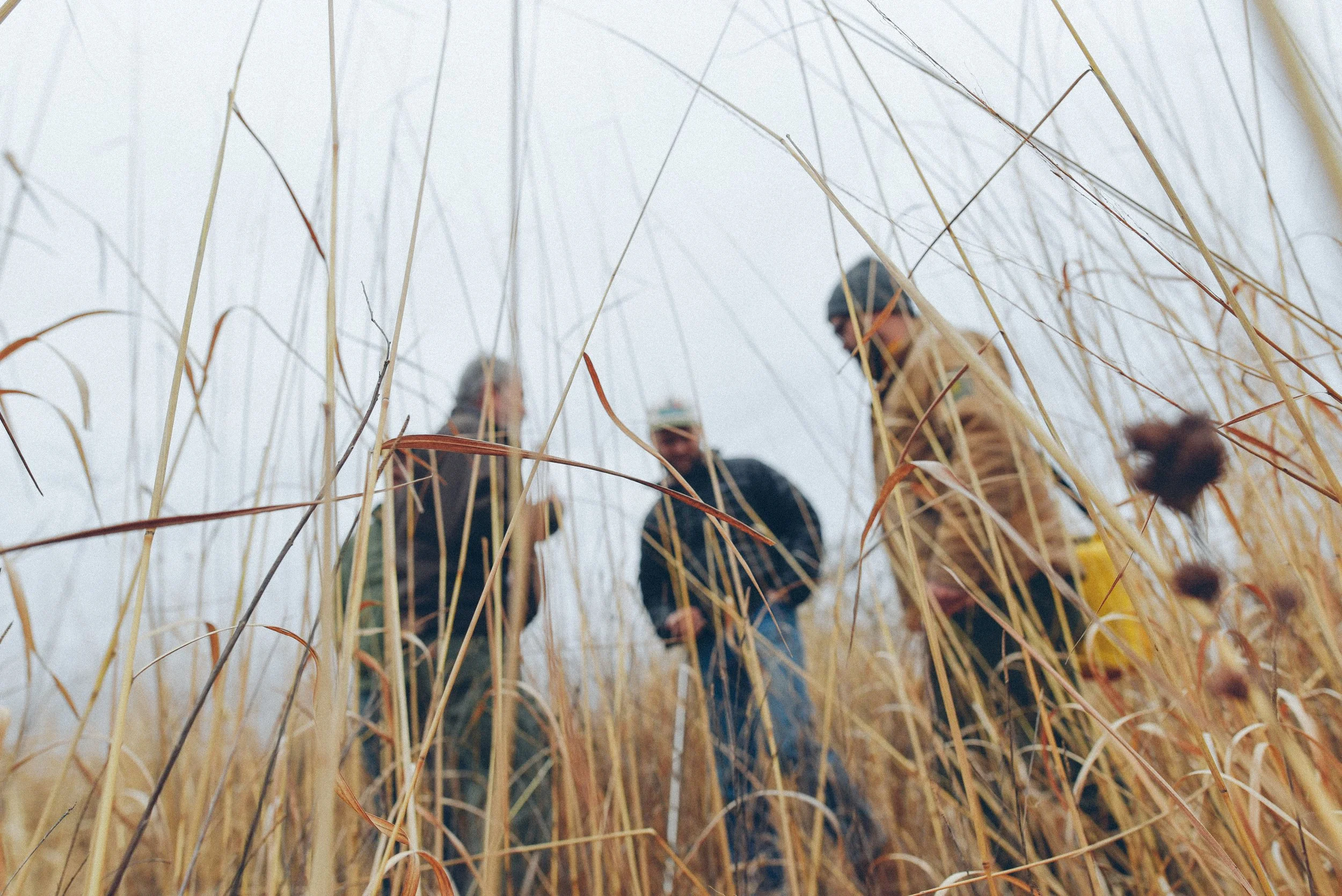
Image Credits: Mad Agriculture
Technology, Monitoring, and the Nature Data Gap
Q. You can't pay farmers for outcomes you can't measure. What does credible, scalable monitoring of regenerative agriculture actually need to look like?
Credibility is all about methods that can withstand scrutiny. Is your sampling design sound? Are your sample/data collection methods proven to be reliable? Are you appropriately controlling or accounting for uncertainty and using the right statistical methods? Sometimes that means adopting or following a protocol from an applicable crediting program, but not always. Scalability is largely about cost and reducing the price per sample or data point, but not entirely. Sampling doesn’t have to scale linearly with the scale of the project. Inference at scale is a key challenge in fields like ecology and biogeochemistry, so sampling design and statistics from these fields are critical. Know your zone of inference and make sure your claims match that. Quantify and communicate uncertainty.
Q. You came from the voluntary carbon market. What did that experience teach you about what the next generation of ecosystem service markets needs to do differently?
The next generation of ecosystem service markets need better product/market fit. Buyers on the carbon credit market are looking for a high-confidence, permanent offset for their emissions, which is essentially impossible to produce through nature-based carbon projects. There are some smart solutions to this problem in the market, but it is a background tension that haunts buyers and sellers. Likewise, the carbon market puts nearly all the risk of project initiation onto project developers, so there’s an incentive to produce credits ASAP, even when all available science suggests that’s simply not possible. Next generation markets need to start from what’s possible on the sell side and build standards and purchasing practices around that.

Image Credits: Mad Agriculture
Collaborative Ecosystem
Q. Carbon markets have sometimes felt like a "weird sidecar" for farmers. How do you design tools so the value actually flows back to the people stewarding the land?
Farmers first focus is on production. Any new program or opportunity has to be built around that reality and be designed to fit easily into their operations. That’s a prerequisite for allowing value to easily flow back to land stewards and is why we’re focused on marginal acreage in Wilding.
Q. What drew you to the Nature Tech Collective, and what's the one question you most want to put in front of this community?
NTC has a real concentration of people working on similar problems. Sometimes the things people are working on and the solutions they’ve created you just can’t find in public. Being in NTC means we have the chance to readily learn from others and share solutions. The one question I would put in front of the community is what do you think is the main barrier to scaling nature restoration?
Personal
Q. What brought you to this particular corner of the regenerative agriculture world?
I didn’t grow up in the agriculture world. I came to agriculture as a biologist and ecologist. Then spent several years working in agriculture and became deeply curious about the ecological interactions happening on the farms I worked on. That pulled me into the world of soil with a focus on carbon and nitrogen cycles in agriculture. Through my research I got really interested in open source tech and data science. Eventually I landed in the carbon market, and then at Mad Agriculture.
Q. What gives you genuine optimism, and what keeps you up at night?
Some of the news globally about clean energy adoption and decarbonization gives me genuine optimism. Momentum is building in a way that feels more real than it ever really has. But climate change still keeps me up at night. Working in agriculture you end up seeing firsthand just how tenuous things are in many places and how unpredictable it’s becoming to grow crops or raise livestock. Alongside the fact that consolidation and monopoly in agriculture are crushing many producers and pushing more and more people out.
Mad Agriculture talked about barriers that rarely come up in conversations about regenerative agriculture, the psychological and cultural weight of going against your community, your lenders, sometimes your own family. They also described building tools around farmers' actual operations rather than asking farmers to adapt to the tool. They left the Collective with a question: what do you think is the main barrier to scaling nature restoration?
