
Sand River invests in early-stage startups where nature-positive outcomes are built into the business model rather than added afterward. The team's framework focuses on three areas: value (embedding nature into financial systems), protect (replacing extractive processes with regenerative ones), and restore (scaling ecosystem regeneration). Portfolio companies include Landbanking Group, which treats nature as a measurable asset on corporate balance sheets, Maltento, which produces insect-based feed to reduce reliance on resource-intensive mammal protein, and Treeconomy, which monitors landscape-scale afforestation projects.
In this “Member Spotlight: Ask The Nature Tech Expert” interview, the Sand River team explains how they assess whether impact is genuinely tied to business models, why they focus on market readiness over speculative demand, and how they're working to demonstrate that commercial returns and nature-positive investing can align.
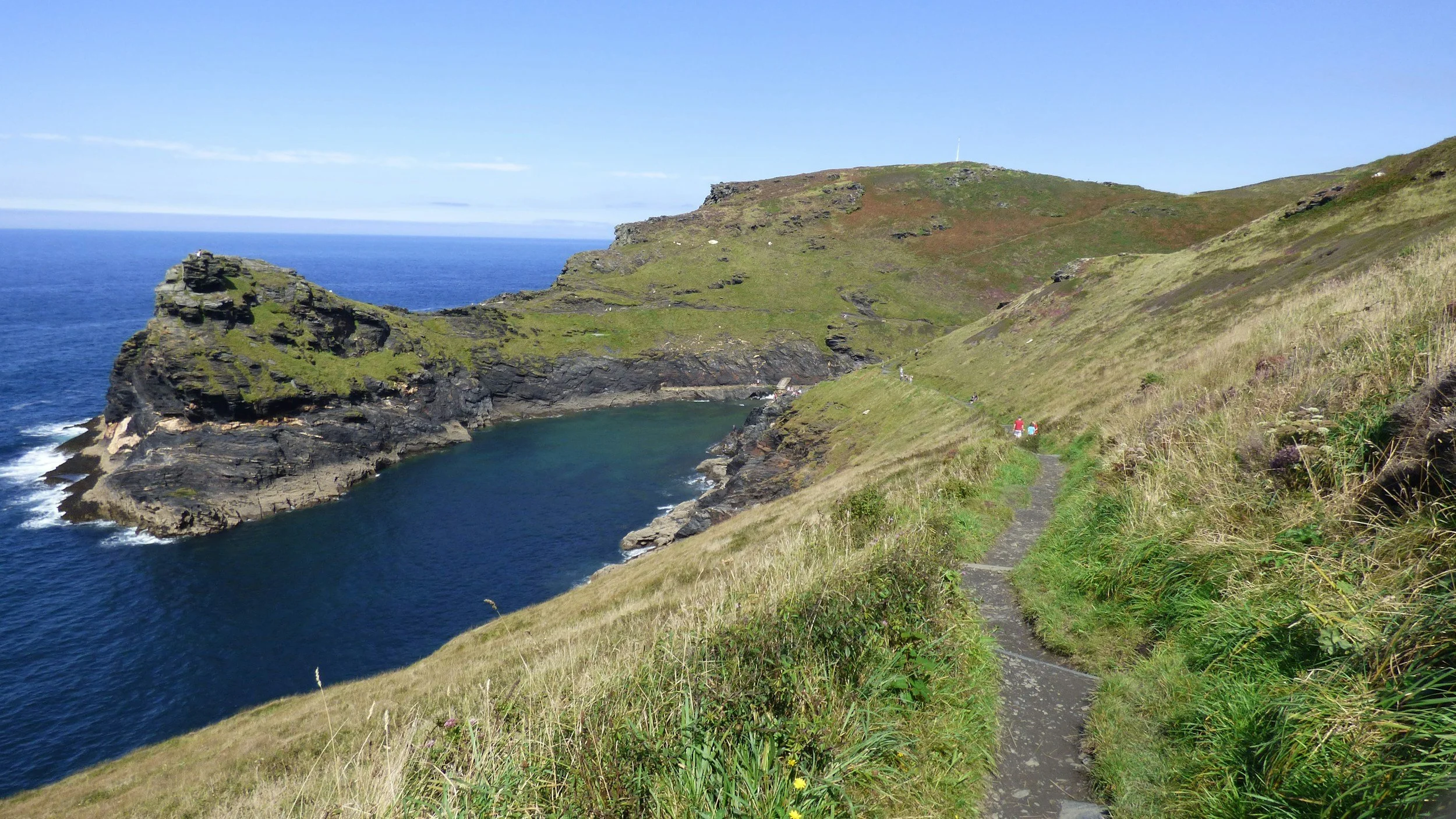
Image Credits: Unsplash
About Sand River
Q. Please share the story behind Sand River’s founding and how you define your role within the nature tech and impact investing landscape. How would you describe your unique investment approach focused on companies that benefit nature?
We launched Sand River because we wanted to use our business experience to support the transition to an economy that values, protects and restores nature.
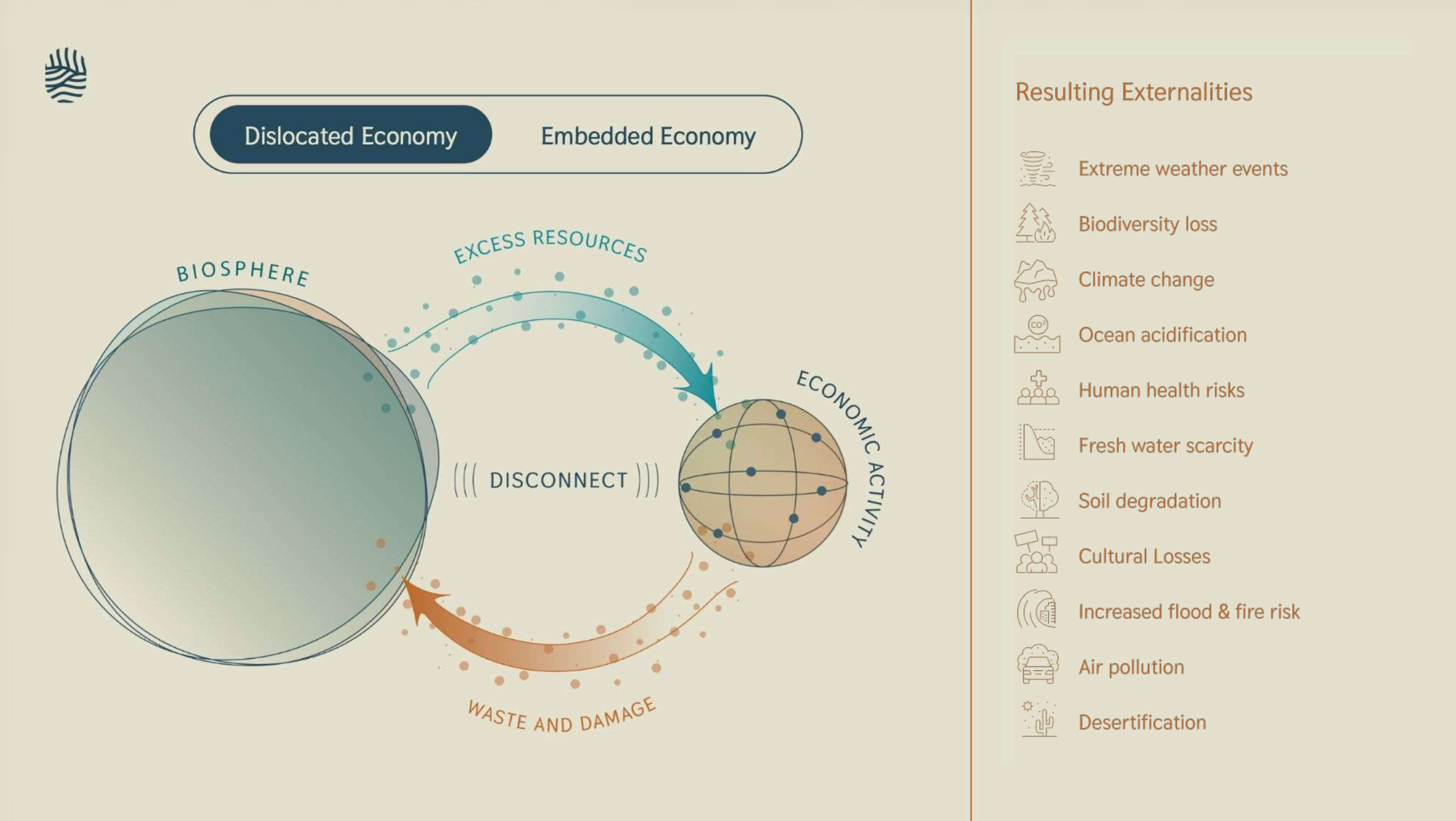
We are acutely aware of the risks associated with ecosystem collapse and humanity’s growing cultural separation from nature. The demands that we are putting on the biosphere far exceed its capacity to regenerate. So, we launched Sand River to demonstrate that it is possible to move towards a regenerative, rather than an extractive, economy and that investors can make compelling financial returns by backing companies that value, protect and restore nature.
We do this by focusing our support and investment in early-stage startups, pre-seed and seed stage usually, with business models that are in lockstep with positive planetary outcomes.
Q. Sand River focuses on the protection, restoration, and valuation of nature. Could you explain what each of these areas means for your team and how they influence your investment decisions?
Our investment decisions are guided by a number of considerations, but the first - positive impact for nature - is central to our mission. We think about this in terms of how a company contributes to the valuation, protection and restoration of nature:
Value: Recognizing the true cost of economic activity and embedding nature into financial systems. For example, the Landbanking Group is pioneering ways to treat nature as an asset on the corporate balance sheet, so it can be measured, managed, invested in and traded.
Protect: Replacing an extractive process or system with a regenerative one. Our investment in Maltento demonstrates this: by producing insect-based ingredients for pet and aquaculture feed, the company reduces reliance on resource-intensive mammal protein inputs.
Restore: Looking at business models that incentivize and scale the regeneration of natural ecosystems. A good example is Treeconomy, which provides monitoring and management services for high-quality landscape-scale afforestation and rewilding Nature-Based Solutions projects.
We then, of course, assess a range of other areas, including whether the product or service is effective and scalable, if there are customers ready to adopt it, whether it is being offered at a competitive price point, whether there is a clear pathway to profitability and strong competitive positioning.
These are some of the criteria that shape how we identify and support businesses that perform commercially and accelerate the shift to a regenerative economy.
Q. How does your vision of operating within planetary boundaries shape your investment strategy and portfolio choices?
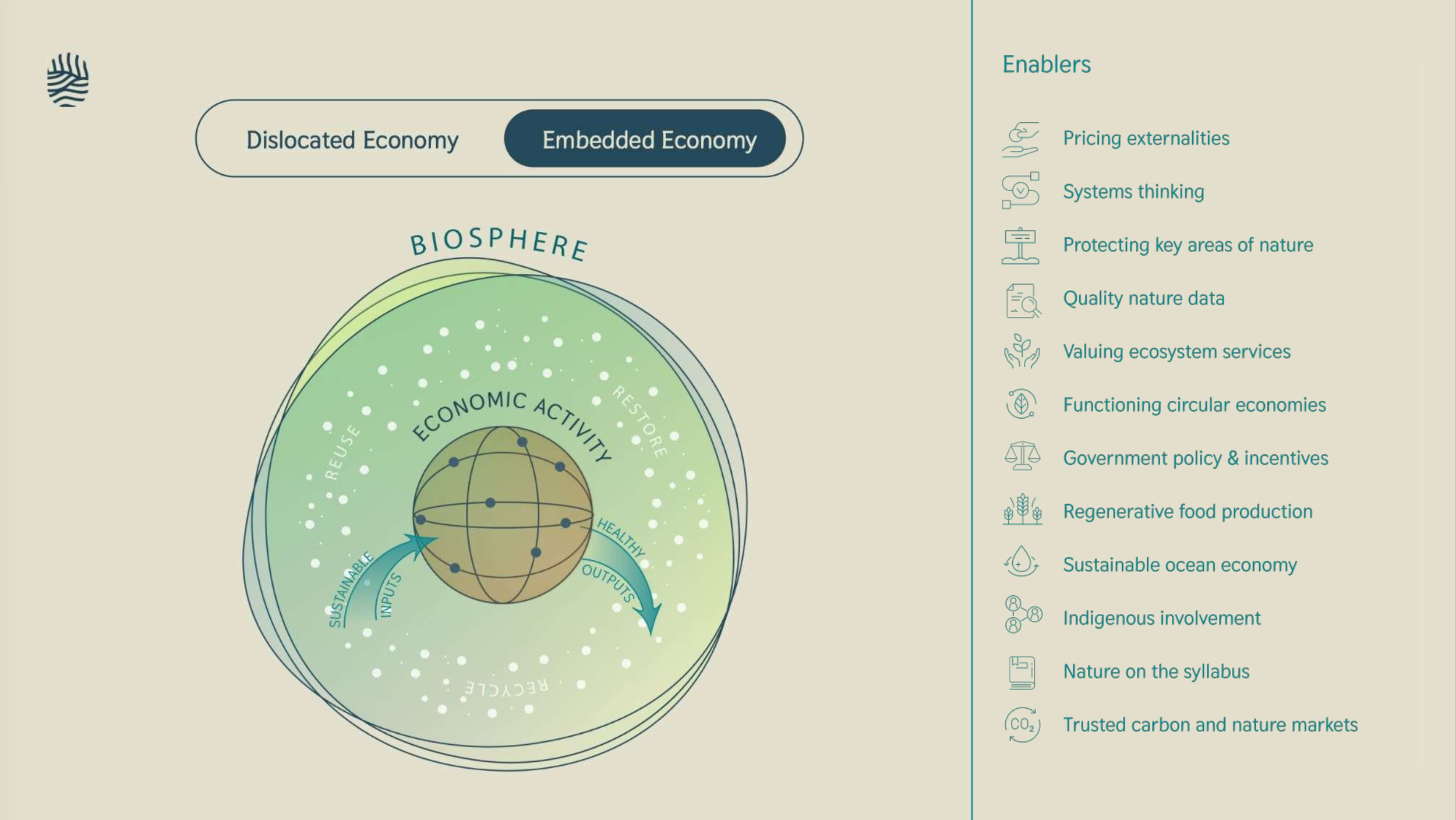
Our investment activity focuses on the enablers for the transition from an extractive economy towards a regenerative economy in which businesses operate within the limits of the biosphere.
The planetary boundaries framework defines the critical natural processes that underpin the stability of life on Earth - which can be collectively thought of as nature.
Approach and Impact
Q. Your investments include diverse sectors. How do these investments collectively support your mission to foster a regenerative economy?
Our portfolio is diverse by design: we want to invest in companies that address different dimensions of the transition to a regenerative economy. This presents a challenge when it comes to reporting and measurement because there is no single metric that can capture the positive impact of our portfolio companies across different sectors and business models. We spend a lot of time in due diligence to understand how the founders think about impact, what motivates their decision-making and which reporting methodologies and tools they use.
We are interested in engaging with NTC members who are working on frameworks for measuring nature impacts, dependencies and outcomes across portfolios. We are investing early in the company lifecycle, which means that much of the impact potential of our portfolio lies in the future. We think it is important for companies to clearly measure their impact, not just in the interest of reporting and measurement but also because our economies are becoming more sophisticated at understanding the value of ecosystem services. We firmly believe businesses that contribute to valuing, protecting and restoring nature will not only drive positive environmental outcomes, but also build more resilient business models and accrue greater value in the medium and long-term.
So, while nature-impact frameworks are evolving fast, we’ve adopted a pragmatic approach, which is to build a portfolio where impact is the default output of doing business, because nature-positive outcomes are intrinsically tied to our start-ups’ business models.
Community and Collaboration
Q. What is Sand River’s role within the larger nature tech ecosystem, and what partnerships or types of collaboration are essential to your work?
We can see that the transition to a regenerative economy means taking on new ways of thinking and operating. This must happen through collaboration, diversity and action. We are natural investment partners for family offices and other investors that want to build a nature-positive portfolio, and want credible support and guidance to do that.
The Sand River team participates in a range of networks and we continue to build relationships with organisations that are collectively on a Nature Positive journey. For example, we were pleased to join the judging panel for the BE100’s Grow Pitches, at last year’s Blue Earth Summit and were delighted to see our portfolio company, Rhizocore, recognized as one of the top 100 purpose-led businesses by Blue Earth Ventures.
We want to be a part of this movement and help take it forward.
Q. How do you envision collaborating with the Nature Tech Collective and its members to promote shared goals and advance the ecosystem?
We are keen to collaborate with NTC and its members. We’re always interested in opportunities to back founders who are setting out to value, protect or restore nature, so if you have something then please get in touch through our website. We are also interested in supporting the development of the community and regularly host and participate in events. If you are looking for nature investor expertise, then please get in touch! We’re very happy to share what we’re learning in this space.
Ambitions and Future Outlook
Q. What are Sand River’s key priorities and ambitions over the next few years? How do you plan to scale your impact in nature-focused investing?
We are busy working on plans to raise and deploy more capital into the nature tech ecosystem. We expect to share further announcements in 2026.
Q. Are there particular challenges or gaps in the nature tech or impact investing space where you see Sand River providing leadership or unique value?
Many of the challenges in our space are not unique to nature tech and impact. Navigating hype is a big one, along with market readiness, time horizons and the rapid evolution of the so-called nature markets.
We sometimes see solutions that are being built on speculative, rather than ready markets. We’re very deliberate in our investment process about ensuring that there is willingness from customers to buy, and that the founding team have commercial mindsets.
One of the most impactful things we can do is demonstrate that investors can make commercial returns by backing companies that value, protect and restore nature, so nature is seen as an investable endeavor, rather than just a philanthropic one.
If we look at the long-term picture, then the most critical system underpinning human economies is nature itself. If we continue to deplete that at the rate that we are today, then it’s hard to see how we will maintain the financial and economic structures that we depend on today.
Q. How can the Nature Tech Collective community best support Sand River’s ambitions, and what contributions would you like to make in return?
We’ve been fans of the Nature Tech Collective from the outset and it’s great to be part of a community that is doing important work. Please keep putting us in the way of innovative founders of startups with regenerative business models. We’ve found that round tables or Q&As with investors and startups can be great ways to connect people and share learning. We liked your idea of a shared events calendar and have recreated our own for our portfolio companies. We’re open to ideas!
Personal and Practical Insights
Q. What inspires your work in this space, whether books, thought leaders, or personal experiences?
The real inspiration for our work comes from spending time in nature. We each have our personal stories, specific places and ecosystems, and stories that connect us to nature and to ourselves. The work we are doing is ultimately inspired by protecting the places that we love that have made us who we are. We want to be able to share these places with many future generations.
Q. What advice would you offer other investors or ecosystem builders eager to contribute to the transition toward a regenerative economy?
I would say get involved… find things that you care about and work that you enjoy doing and put energy into them. Stay curious!
Learn more at sandriver.vc or connect with the team on LinkedIn.
