
Why Designing for Simplicity Beats Motivation: Fable Forestry on Invasive Species, Robotics, and Behavior Change
Most nature tech startups go straight to building better sensors, smarter algorithms, more datasets. Fable Forestry starts with a different question: how can we help people do what they already want to do? Founder, Winslow Robinson, PhD has studied the intersections of design thinking and tech for social good, and runs an organic farm in Maine where infestations became a personal problem.
Robinson and his family experienced the rash firsthand while farming. The toxic caterpillar hairs cause reactions lasting for weeks. Pesticides didn't work with organic farming, arborists cost too much, and the drone tools on the market weren't built for this pest. Robinson developed the LOCATE method instead: six stages from invasive species ID through neural networks to mechanical removal and biochar production. First season, they booked out completely. First month, they made revenue. The reason? They designed around what Maine land stewards already wanted (fewer Browntail encounters) instead of trying to convince anyone to care about a problem they'd been living with for over a century.
Read on to learn how Fable Forestry connects forest health to farm health to public health, why motivation is a losing strategy for change, and what turning invasive biomass into biochar has to do with PFAS (per- and polyfluoroalkyl substances, or "forever chemicals") contamination.
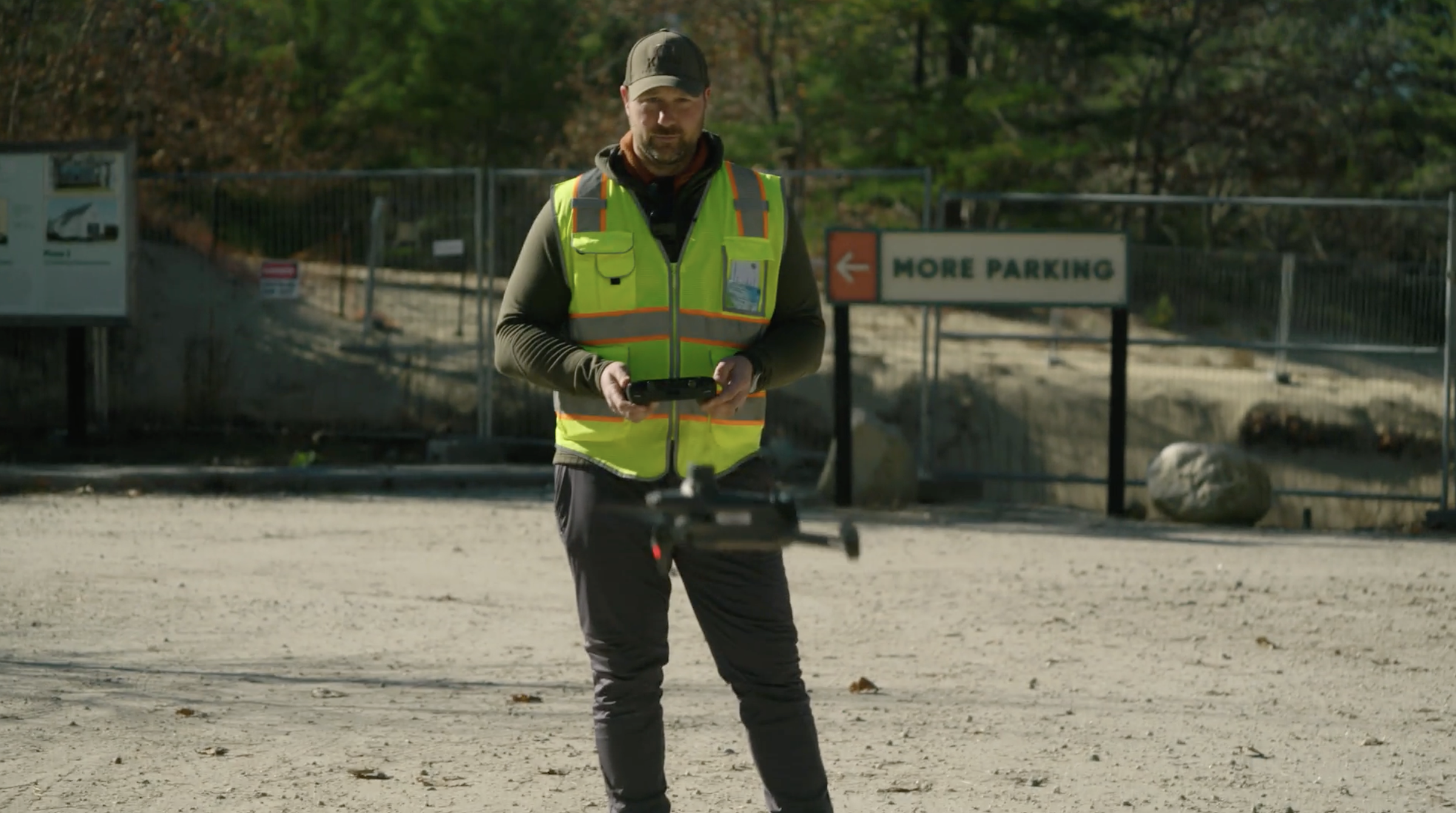
Image Credits: Fable Forestry
About Fable Forestry and Its Origins
Q. Can you introduce Fable Forestry and explain how it grew out of Fable Farmstead? What’s the connection between your farm, your forestry work, and the broader idea of ecosystem health?
Fable Forestry grew directly out of our work at Fable Farmstead, a working Maine farm that became a living lab for understanding how land use systems and design thinking interact. Our approach to farming believes one should feed the soil rather than the plant; caring for the ecosystem services that care for us means the Forest is simply an extension of the Farm.
Forest health, agricultural resilience, and public health are deeply interconnected, especially in regions facing invasive species, climate stress, and fragmented land management. Fable Forestry exists to design practical systems that help land stewards act earlier, more safely, and at scale - before problems become unmanageable.
Image Credits: Fable Forestry
Q. You described Fable as a “design farm” rather than a design firm. What does that mean in practice, and how does design thinking influence the way you approach agriculture and forestry?
A design farm serves the same purpose as a design firm, but tests ideas directly in agricultural and ecological settings. Our prototypes are trialed in soil, forests, and working landscapes, where the outcomes are measured in human well-being, ecosystem health, and food system resilience. This kind of work prizes design research with multidisciplinary expert collaborators.
For example, we are partnering with Yale University to test a new approach to two connected challenges: PFAS contamination in farmland and excess carbon in the atmosphere. PFAS are long-lasting chemicals that entered soils through past land-spreading practices and are difficult and expensive to remove. Our approach combines growing crops like hemp and sunflower that can absorb PFAS, adding natural rock dust to help capture carbon, and converting harvested plant material into biochar. Together, these steps aim to restore soil health while locking carbon away for the long term. Our 2026 trials will explore whether carbon markets and remediation funding can work together to support soil recovery and more resilient farming communities.
At Fable Forestry, our focus expands to forest ecosystems, where invasive species pose growing threats to biodiversity and the food web. We’re applying embodied AI to detect and manage these threats earlier and more safely. One example is the Browntail Moth, an invasive pest whose toxic hairs cause persistent rashes and respiratory issues long after the caterpillar is gone, impacting both forest health and public safety. Another is the Jumping Worm, which alters soil structure so aggressively that it reduces fertility and undermines plant growth, disrupting entire ecosystems right under our feet..
In these ways, the Forest is simply an extension of the Farm - another living system whereby meaningful and rapid interventions are required to sustain our ways of life; our work focuses on practical, scalable interventions that protect human health, strengthen food systems, and restore ecological balance in a changing climate.
Q. Your work in Maine integrates farming, robotics, and ecology. How did the combination of organic farming, beekeeping, and tech innovation come together into the Fable Forestry model?
We believe that the skills of effective farmers and founders are remarkably similar. Farmers know that agriculture requires a wide diversity of skills; a successful season relies on research (e.g., which seeds for which desired product, to be harvested at what time), active farm labor (e.g., soil prep, planting, weeding, fencing), and improvisation (e.g., fixing a broken hay elevator by welding on a handle from a manual fuel tank). Of course, skill multiplicity is also inherent in any small successful startup.
Q. You have a PhD in Social Work, with a focus on behavior design and tech for social good. How does that training influence the way you think about environmental challenges and motivate people to act on them?
As I watch our tomato seedlings pop through the potting soil, it's easy to see the similarities between farming and behavior design. Consideration for the right conditions, recognition that seedlings are fragile and need special care, are often top of mind. The same goes for developing desired behaviors - keep in mind the environment, and always keep it tiny when starting out.
I’d add that behavior happens when sufficient motivation, perceived simplicity and an effective prompt occur in the same moment; these three constructs strongly influence our company strategy. We believe that “motivating people” is a risky phrase, laden with false assumptions. Given that motivation is slippery, and that inducing motivation is a losing strategy for change, means that it is an unreliable change agent when viewed in isolation.
Further, the phrase ‘motivating people’ implies there is some kind of ‘uphill user battle’, in addition to all the other logistical challenges inherent in startup culture. If you have to induce motivation for a behavior to occur, and that behavior is tied to your brand promise, it’s worth considering if there’s a better way. I’d suggest that brand strategies work within natural swells of motivation that already exist, and pair those swells with your product / service to deliver the value customers crave.
Projects and Innovations
Q. Much of your work has centered on invasive forest pests like the Browntail Moth (BTM). Can you explain the problems this pest creates and how Fable Forestry is addressing it?
In their caterpillar life stage, BTM shed toxic hairs so small that they become airborne. Dermal contact with these barbed hairs results in a poison-ivy-like reaction that can last for weeks; accidental ingestion can result in respiratory distress, and there are even reports of visual impairment (e.g., torn cornea). Further, these hairs are durable - they can exist in the environment for years after the caterpillars have died, creating ripple effects that extend beyond direct contact with the living caterpillar.
BTM is such a predictable public health threat that each February in Maine is deemed ‘Browntail Awareness Month’, as this is the time that BTM are dormant in their overwintering nests (i.e., winter webs) at the tips of trees (hardwood and fruit trees, predominantly). Given that each nest can contain up to 400 future caterpillars, public officials emphasize February as the ideal time to prune out nests to avoid future exposure. While this work is easier for smaller trees, BTM nests are typically safe from legacy pruning tools at the top of tree branches (i.e., 60+ ft).
In warming weather conditions that favor the Spring emergence of invasive forest pests (i.e., mild winters are less likely to present adverse conditions that limit overwintering populations), we’re building a suite of tools that combine early detection, precision targeting, and mechanical removal using robotics and computer vision, with the goal of risk reduction across affected communities.
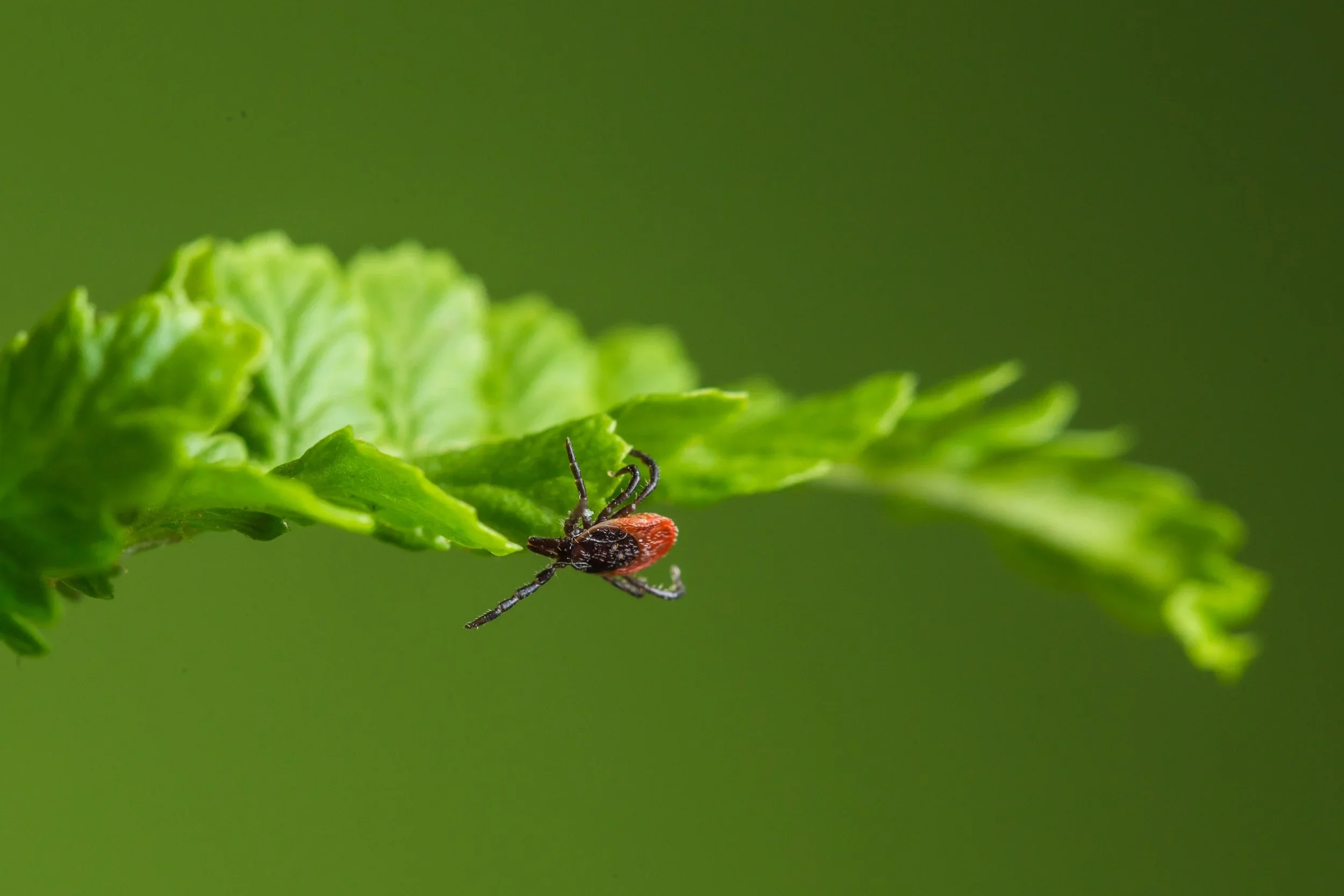
Image Credits: Adobe Stock
Q. You mentioned creating a “six-stage ratcheting framework” that goes from invasive identification through to biochar production. Can you walk us through how that process works and what makes it scalable?
We’re calling this framework the LOCATE method, a checklist-based approach inspired by industries like aviation, construction, and healthcare that depend on many individuals performing highly repeatable and critically important tasks. In any such environment where accuracy must be guaranteed, a strong checklist can be transformative; check out Atul Gawande’s “The Checklist Manifesto”.
LOCATE moves a mitigation strategy systematically through six phases:
L: Localize unique invasive signature/s. What makes this plant / pest unique?
O: Optimize sensor/s for training data. Matching the right sensor to detect this signature/s.
C: Calibrate neural networks. Teach AI to recognize the pest / plant.
A: Automate geofence reporting. Overlay findings on a top-down (nadir) map.
T: Targeted pest removal. Customize the removal to biology / how it presents.
E: Establish biochar strategy. Fire harvest in biochar units to neutralize and capture carbon.
Scaling manual removals isn’t realistic, and achieving scale with chemicals can be prohibitively expensive, unsafe, or undesired by the community. For these reasons, we’re curious about scalable mechanical methods that take advantage of emerging tools in embodied AI via aerial robotics, developing tools that can be reused across taxa with sanitizable shared equipment and similar workflows.
This makes the system scalable in a practical sense: more acres can be treated without proportionally increasing chemical inputs, exposure risk, or recurring costs, while captured biomass is converted into biochar rather than waste, creating additional environmental value.
Q. Your team is also developing in-house robotic and AI tools to detect and manage invasive species. What inspired you to bring robotics and embodied AI into forestry?
Our interest in forestry robotics grew directly out of lived experience. As farmers raising young kids in Maine, we experienced the Browntai Moth rash firsthand while farming. Broadcasting pesticides didn’t fit with our approach to organic agriculture, and traditional arborist methods were too expensive. As a commercial drone pilot, I could reach some nests with 3rd party drone solutions, but those tools were never designed for Browntail nest removals, and managing all that toxic biomass remained a real challenge. These constraints made it clear that forestry needed tools that were precise, non-chemical, and safer for humans to operate.
Robotics and embodied AI emerged as a way to align farm health, forest health, and public health. By pairing computer vision and mechanical removal techniques, we can precisely target invasive species while reducing exposure risks to workers, and minimize the need for harsh chemical inputs. Just as importantly, these systems allow us to rethink what happens after removal, converting hazardous biomass into biochar that locks away carbon while rapidly mitigating the public health threat.
In short, our aim has been to build tools that match the problem’s presentation, offer affordable and effective risk reduction, and reconsider invasive species as opportunities for ecological restoration.
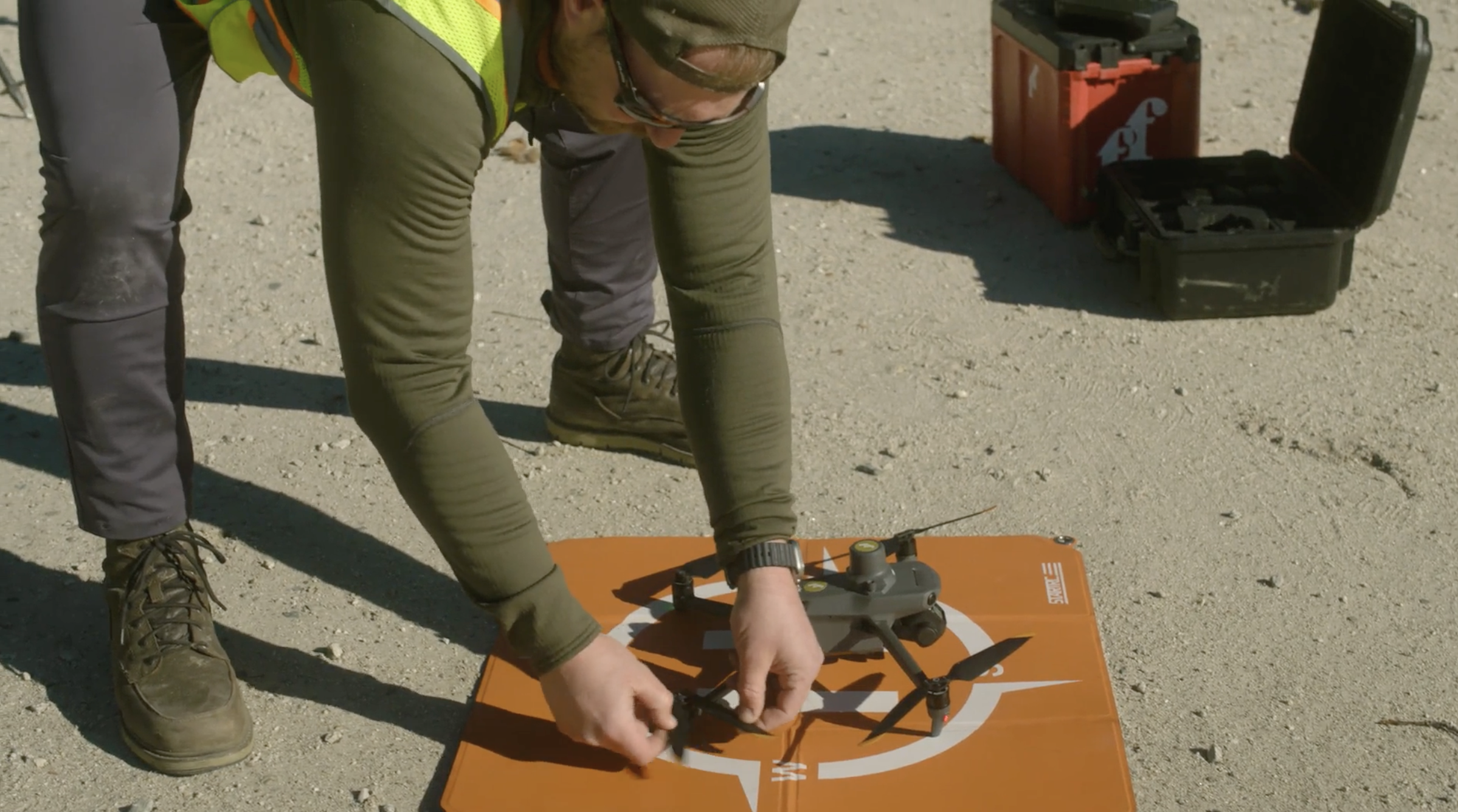
Image Credits: Fable Forestry
Q. You’re exploring applications beyond the browntail moth such as tackling tick-borne disease through habitat management. How do you identify which ecological challenges to focus on next?
Our work criteria involves two primary foci: how human behavior works, and how that behavior functions within seasonal contexts.
Human behavior: The Fogg Behavior Model (FBM) posits that Behavior occurs when sufficient Motivation, sufficient Ability (i.e., perceived simplicity) and an effective Prompt occur in the same moment (B=MAP). As such, the FBM is an incredibly simple and powerful framework for understanding how to help people activate their desired ecological behaviors. Further, the model explains why abundant data cannot reliably produce timely response: one of these three critical elements is often missing (e.g., Information-Action Fallacy). Often, motivation is cited as the first thing to amplify, induce, or nudge. But motivation is fickle - it ebbs and flows across and within human contexts (e.g., weekday behaviors are different from weekend behaviors, and thus behavior activation requires different choice architecture in varying contexts). Motivation is affected by sleep, caffeine, relationships, traffic, hydration, and so on. Because motivation is slippery, it is a losing strategy when relied upon exclusively for change - in the short-term, but especially long-term (as long-term is simply a collection of short-term successes).
Seasonal contexts refer both to predictable events (e.g., Browntail Awareness Month in February) and unpredictable events (e.g., at the time of this interview, the US-China relationship is making domestic drone innovation more difficult). Just as the farmer has studied the right time to start seeds (e.g., to avoid frost, to time harvest, etc) behavioral science knows there are ‘opportune moments’ when desired and ethical behaviors are more likely to succeed. Seasonally, this simply isn’t the ideal time to invest in emerging drone tech.
Together, these two influences significantly shape our work. Tick research via robotic dog is a keen area of interest, though we’ve found that about half of potential customers have an aversion to robotic dogs (despite their sustained curiosity), and thus we’ve shifted attention to nature intelligence more generally, while maintaining the same themes.
For any problematic taxa requiring human intervention, again there are important seasonal contexts. From the perspective of invasive species management, the ‘Invasion Curve’ illustrates a predictable trend: the longer a problem goes unaddressed, the more expensive that problem can become. As such, there is emphasis on Early Detection as a strategy to reduce the costs of Rapid Response, when the scope of a problem is still relatively small. We’re creating a simple smart button that allows citizen scientists to document log invasive species in less than one second (i.e., no screens, collect data while biking through the woods, etc). These observations become actionable data that can trigger downstream responses, whether that is robotic removal, targeted field crews, or longer-term management planning. Check out our website for an interactive case study, to see how we’re creating heatmaps of invasive plants in Southern Maine.
Q. The idea of turning invasive biomass into biochar for soil rehabilitation is fascinating. How does your collaboration with Yale’s Center for Natural Carbon Capture fit into that work?
Our interest in biochar started with finding a way to effectively dispatch Browntail Moth nests, converting a liability into an asset. Our early browntail removal efforts left behind piles of woody slash containing toxic hairs that had to be incinerated, a process that solved one problem but created another. That experience sparked a core question for our work: instead of treating invasive biomass as hazardous waste, “how might we transform it into something beneficial for soils and ecosystems, while fully neutralizing the pest and protecting public health?”
Around this same time, we learned that Yale was looking for collaborating farmers to research phytoremediation - the process of plant material uptaking undesired elements in agricultural soils (e.g., heavy metals, PFAS) - and destroying these undesired compounds through pyrolysis (i.e., high-heat + low oxygen) which generates biochar as an output. Farmers could then reapply biochar as a soil amendment. We’re now entering our second year of phytoremediation trials using crops like hay and sunflower, followed by controlled pyrolysis to convert contaminated biomass into stable biochar that can help immobilize forever chemicals while improving soil health.
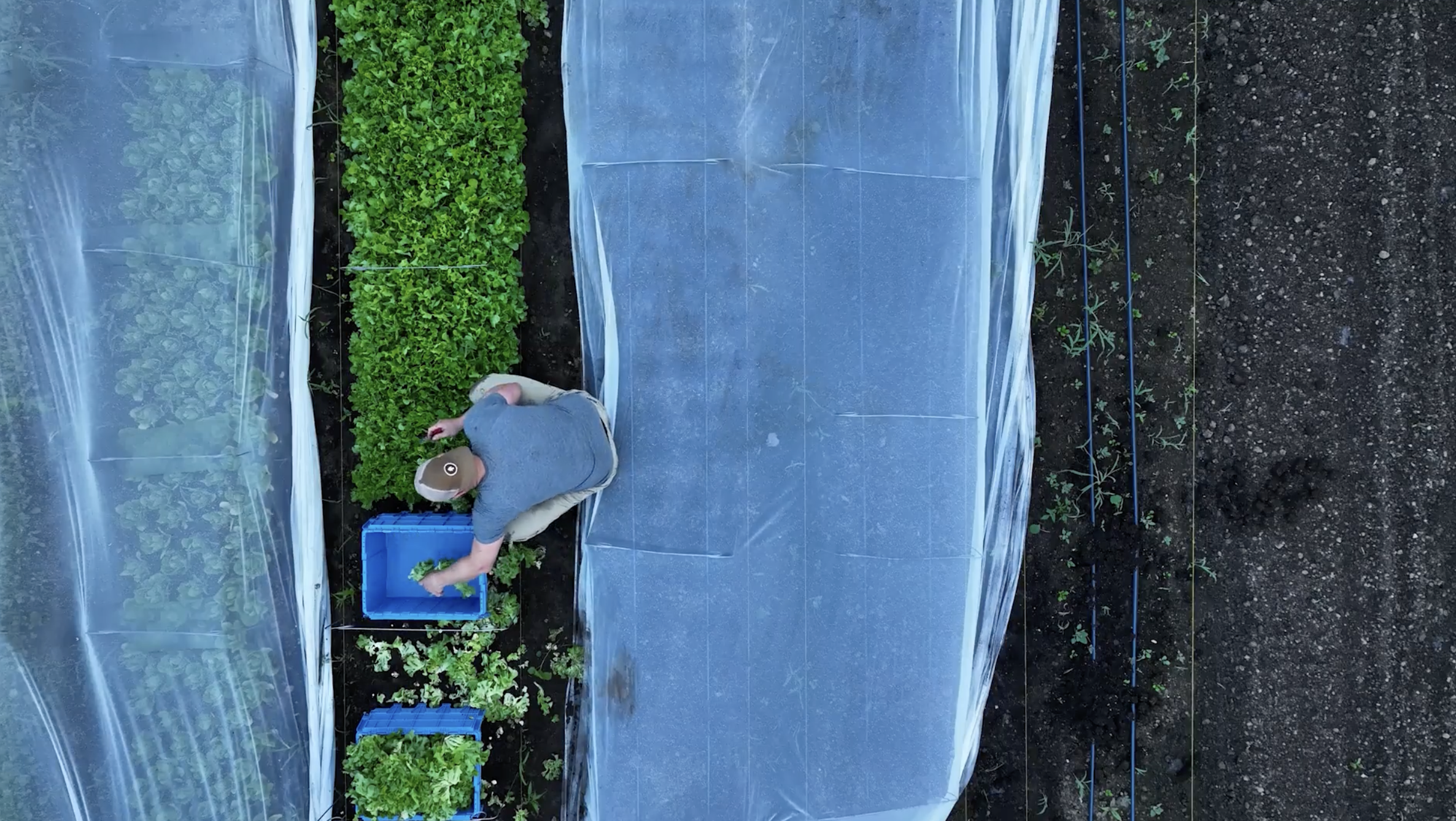
Image Credits: Fable Forestry
Design Thinking and Behavior Science
Q. You’ve said that many innovators design for motivation, but Fable designs for perceived simplicity. Can you unpack that idea, and how it applies to climate or conservation work more broadly?
At their core, all Nature Tech aspirations are human-centered initiatives. As such, these aspirations are susceptible to the many fallacies (i.e., cognitive shortcuts we all have) explored in behavioral science, among which include assumptions about how behavior works. For example - even the same ‘momentary behavior’ will have different contexts across time (i.e., first time-behaviors require different strategies from ‘maintenance behaviors’).
The Fogg Behavior Model (as described above) clarifies that we have essentially three constructs to activate momentary behavior: sufficient motivation, sufficient perceived simplicity, and an effective prompt / cue. Whenever someone talks about ‘motivating people’ as part of a change strategy, I raise my hand, because I’ve found that (in most cases) folks are not baking behavioral research into their work.
Now, motivation is critically important; no behavior occurs without it - my point about prioritizing perceived simplicity is that motivation should be considered as a contextual + time-based element, rather than the first and only rationale in a change strategy. To ignore motivation’s tendency as mercurial is to engage in a losing strategy.
To put this into practice, please click here for a short animation we’ve made about the interrelated roles of motivation, perceived simplicity and effective prompts (scroll to section titled Simplicity changes behavior). The key takeaway: Desired + ethically cued behavior will reliably occur, even at low levels of motivation, if prompts and perceived simplicity are met.
Q. How can insights from behavior design help other nature tech startups improve adoption and participation among communities or landowners?
Behavior design offers an incredibly powerful approach to “help people do what they already want to do.” The more we try to urge, coax, or entice behaviors, the more friction will be encountered.
The good news is that behavioral design is readily employable and widely applicable. With a core understanding of how behavior works, building out a ‘research engine’ makes the innovation process much more approachable.
Q. What lessons have you learned about communicating or framing ecological restoration in ways that actually drive engagement?
Ecological restoration is a complex and interdisciplinary field, with limitless customer preferences, expectations, scaling priorities, etc. Rather than trying to navigate endless customer personas, we prefer to consider major motivational themes that appear to be cyclical and universally true, and use these windows to drive separate strategies of customer development and customer retention that vary by season.
For example, we offer annual Browntail Moth mitigation using aerial robotics. These little buggers are dormant during winter removal windows, and active during summer months wreaking havoc on public health. Our customer retention strategy is synched with opportune moments we create through direct and successful invasive species mitigation: we provide the prompt, motivation, and perceived simplicity for contract renewal. Meanwhile, customer development occurs at an entirely different time in the season, when the effects of the troubling invasive species offer the prompt and motivation, and we offer a solution that fits perceived simplicity (free drone survey + contract offer).
The other important consideration that we like to share is to be honest about the work as a living prototype, rather than an established product (which, if you believe in continuous improvement, it almost never is). While this might be less applicable to others where the result is a tangible product to be shipped (i.e., smart buoy to track water quality) versus ecological restoration via applied research, our perspective as ‘design farm’ (where research is never truly over) helps to level with folks to have realistic expectations of the brand promise as offerings move from ‘prototype’ to ‘irreplaceable’.
Image Credits: Unsplash
Collaboration and Growth
Q. You mentioned that Fable Forestry is part of the Forest Accelerator Program in North America. How has that experience shaped your business and your approach to scaling impact?
The four-month Forest Business Accelerator was phenomenal training and leveled-up each company in our small 2025 cohort, growing their business ideas in support of the Forest Economy. Beyond the many hot-seat experiences to shape our business case + model, we experimented with public interest in quadruped robots (i.e., robotic dogs) for tick research. While folks were fascinated by the technology, potential research collaborators in this capacity of robot sampling (rightfully) stated the method would change the sampling methodology that has been long-established in the field (manual tick drag using a white sheet through the woods). After the first in-person sprint, it was clear ‘ticks and robotics’ wasn’t clicking as we had imagined, and we knew we needed a different product / service that would deliver customer value.
On the three hour drive back to Maine from Vermont, I kept passing roadside Japanese Knotweed, an invasive plant that rapidly degrades riparian corridors as it outcompetes native growth. With such a high frequency of plants during my drive, I found myself wishing I could push a button to indicate their presence. So, when I finally had landed from the trip, it turns out there are a number of highly customizable, affordable Internet of Things (IoT) buttons on the market. Long-story short, we ordered a few to prototype, and within a week had an interactive heatmap of Knotweed around Freeport ME. In 21 days, I generated over 4,000 observations of Knotweed in Southern Maine - not during any planned observation windows, just during regular driving - clicking the button in the farm truck as I noticed Knotweed on the drive, clicking the button to track observations.
This simple observation system formed the basis for Naughtweed (tongue in cheek play on ‘Knotweed’, or ‘no weeds’), and with feedback from potential users is growing from an invasive species mapping system to a nature intelligence system more broadly. At the press of a button, without taking time to log in, view a screen, or stop a workflow, location-based data can be logged to initiate rapid response, stakeholder conversations, and more. These buttons have a 3-year battery, can be worn on waterproof wristbands to track data while kayaking, mounted on handlebars to grab trails data at the pace of recreation, or dash-mounted to capture roadside data for municipal use. As with all of our other work, we are building a business around perceived simplicity and a functional understanding of motivation and prompts in the nature tech space.
Q. Your early traction, including earning revenue in your first month, is impressive. What strategies or partnerships made that possible for such a young startup?
Most important was that we had selected an addressable problem where motivation was already quite high; no one wants to come into contact with Browntail Moth (BTM) toxins, and so we were solving a problem that: a) Mainers had experienced for over 100 years, with generational disgust for a known invasive pest that create an annual and predictable public health risk, b) competitors couldn’t keep up with demand, c) very few competitors were using drones, and these competitors were using products that had never been developed for BTM.
So we built out a research series around the promise of RESEARCH - NOT A SOLUTION - where pricing reflected our sincerity of risk reduction vs. full elimination. In other words, given that this is a prototype, we didn’t want folks to think they were buying the equivalent of a ‘Delete All’ button (though, despite explicit terms and conversations this still happened to one or two customers). The pricing structure was 2-fold: pay for a reservation based on potential exposure (i.e., number of host trees where BTM typically appear) and then pay for each nest removed so you’re not paying for what we cannot reach. Moreover, we offered a 50% discount if folks worked with their neighbors / community to hit a 10+ tree threshold, to further encourage working together on this shared problem. It worked. We booked out in our first season.
I’d add that there were other elements to our brand promise that helped get us there - we offered free drone surveys for all customers so they could get a sense of work style, the specific deliverables, and the timing of removals. These survey results had compelling visual imagery in a custom drone orthomosaic, which we performed with same-day turnaround. We met with folks on their properties, flagged trees and BTM nests using survey-grade equipment, and then used the custom georeferenced maps we had generated to create a visual treatment plan. These visual treatment plans were delivered to potential customers in a signable contract with payment link, such that if they were interested in what they saw, they could pay to reserve their spot immediately. The combination of these offerings demonstrated the credibility that set us apart from our competition, helping to get us that early traction.
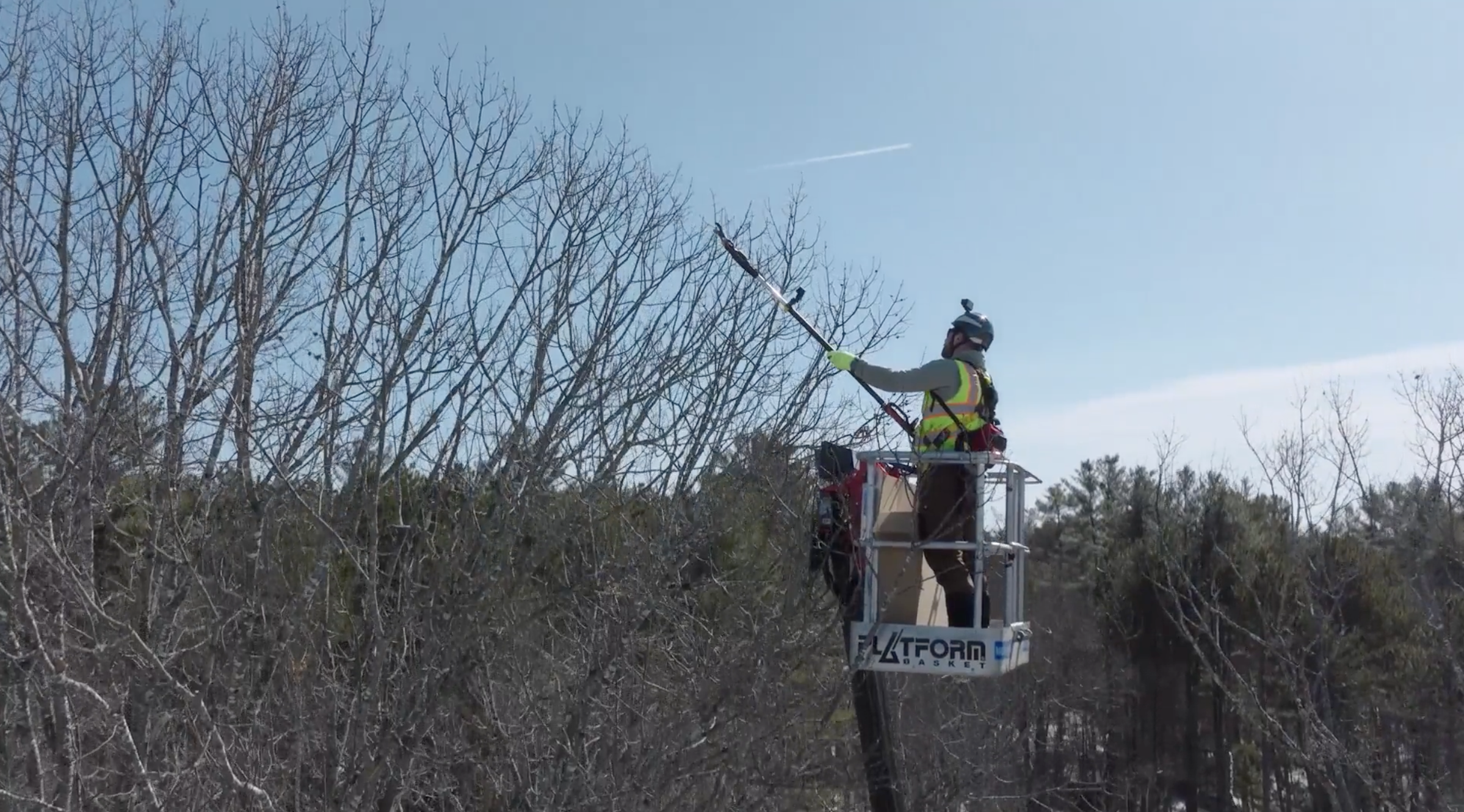
Image Credits: Fable Forestry
Q. What kinds of collaborators or partners are you hoping to connect with through the Nature Tech Collective: researchers, robotics developers, landowners, investors?
We’d love to connect with applied researchers and pilot partners working in ecological restoration, especially in invasive species management and land stewardship. While our intervention and robotics work is currently focused on the Northern Forest (ME, NH, VT, NY), we are keen to collaborate with partners well beyond the region who are grappling with similar ecological and operational challenges.
We’d love to speak with land managers and land-owning entities - including municipalities, land trusts, state agencies, utilities, and large private landholders - who are interested in hosting real-world pilot projects. These pilots would support continued research in testing our Early Detection and Rapid Response (EDRR) systems that leverage citizen science, design thinking, and embodied AI interventions for nature tech at scale. In parallel, we are eager to connect with researchers and applied robotics teams interested in harsh-conditions robotics.
In case it helps generate our current and future collab interest, we think of our work a bit like Netflix shipping DVDs while streaming was being built in the background. As we assemble the contexts and datasets for interventions not-yet-possible (but, just on the horizon), we are keen to grow our network and engage in multidisciplinary work on our shared planet. The partners we are most excited to work with understand the value of this dual-track approach: delivering impact now while building the infrastructure for what comes next.
Q. Beyond funding, what do you see as the biggest challenge facing startups at the intersection of ecology, design, and technology?
By far, I think an over-reliance on motivation as a leading change strategy is likely to hamstring startups.
Even when you’re a content expert, in a domain with a rich tradition of institutional knowledge, if the brand strategy doesn’t account for core human behavior principles, it will likely encounter unnecessary friction.
Reflections and Lessons Learned
Q. What’s been the most surprising or rewarding part of building Fable Forestry so far?
The greatest compliment we have received is when I hear others speak about our work reflecting the creative confidence we bring. It means that the ‘fire in the belly’ is understood by the communities where we live and work. And while we know that motivation is fleeting, we’re buoyed that others see what we see.
Q. What do you think nature tech innovators can learn from the forestry and farming communities you work with in Maine?
Mainers are tough folk that appreciate a job well done. The organic farming community in Maine knows the value, challenge, and beauty of a short growing season. This limited seasonality means Maine farmers have the grit to make agriculture work in shoulder seasons using technologies (e.g., greenhouses) to guarantee fresh and local food.
Nature tech innovators might benefit from this farming perspective - how might contextual factors impact your product / service offering, and how might you help people do what they already want to do during those contexts?
Q. What advice would you offer to others developing practical, design-driven solutions for complex environmental problems?
Get out of the building. Put your product in front of people, as many as possible, and see its use in the real world.
Make errors of commission rather than omission; try something new.
Design for perceived simplicity - not your perception, but the perception of the customer.
Get Involved
Q. Where can people learn more about Fable Forestry, watch your upcoming documentary, or get in touch to collaborate?
People can learn more at www.fableforestry.com and explore invasive species early-detection (and other nature intelligence via button press) work through www.naughtweed.com.
The short film (15 min) will premiere at Patagonia (Freeport, Maine USA) location on Wednesday March 18th 2026, 6-8 pm. Please click here to view the documentary.
We welcome collaboration with researchers, land stewards, technologists, and partners interested in scalable, design-led approaches to ecosystem resilience.
